
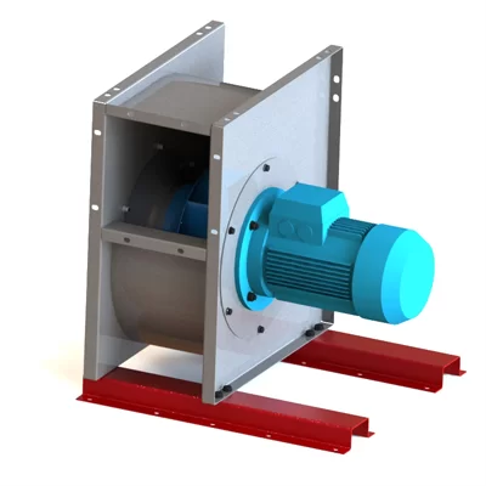
Choosing the right centrifugal air blower manufacturer is essential for achieving reliable airflow, efficient operation, and long-term equipment performance. Industrial facilities often have specific requirements related to airflow volume, pressure, temperature, space, and operating conditions. Therefore, selecting a manufacturer should involve more than simply comparing product prices.
1. Assess Manufacturing Experience
Start by evaluating the manufacturer’s experience in designing and producing centrifugal air blowers. An experienced manufacturer is more likely to understand different industrial applications and recommend equipment based on specific operating requirements.
Review the manufacturer’s product range, technical capabilities, manufacturing facilities, and experience with applications similar to yours. This can help determine whether they are equipped to handle your project requirements.
2. Check Product Quality
The construction quality of a blower directly influences its service life and operating reliability. Check the materials used for the impeller, housing, shaft, bearings, and other critical components.
A reliable manufacturer should follow appropriate quality-control procedures during manufacturing and assembly. Properly manufactured components can help minimize vibration, mechanical wear, and unexpected maintenance requirements.
3. Compare Technical Specifications
Before selecting a blower, identify the required airflow, static pressure, operating temperature, motor power, and speed. These specifications should match your ventilation or process requirements.
Avoid selecting equipment solely because it offers a higher airflow capacity. An oversized blower can consume unnecessary energy, while an undersized unit may fail to provide the required performance.
4. Consider Customization Options
Industrial applications can vary significantly, making customization an important consideration. Depending on the manufacturer, centrifugal blowers may be configured according to airflow requirements, pressure levels, materials, dimensions, drive arrangements, and installation conditions.
Discuss your application with potential centrifugal air blower manufacturers and ask whether they can provide a configuration suited to your specific operating environment.
5. Evaluate Energy Efficiency
Since blowers can operate continuously in many industrial facilities, energy efficiency can have a significant impact on operating expenses. Look for designs that deliver the required airflow and pressure without excessive power consumption.
Motor efficiency, impeller design, system resistance, and operating speed should all be considered when evaluating the overall efficiency of a blower.
6. Look at Technical Support
Technical assistance before and after purchase can make equipment selection and operation easier. Consider whether the manufacturer provides installation guidance, troubleshooting support, maintenance recommendations, and replacement components.
It can also be useful to evaluate the experience of industrial fan manufacturers across different industries and applications before making a final decision.
Kumaran Industries can be considered when comparing industrial airflow solutions based on product requirements, technical specifications, and application conditions.
Conclusion
Selecting the best centrifugal air blower manufacturer requires careful evaluation of manufacturing experience, product quality, technical specifications, customization capabilities, energy efficiency, and after-sales support. Comparing these factors can help businesses choose equipment that delivers dependable airflow and long-term operational value.
Looking for a centrifugal air blower for your industrial application? Contact Kumaran Industries today to discuss your airflow requirements and identify a suitable blower solution.
FAQs
1. What should I consider when choosing a centrifugal air blower manufacturer?
Consider manufacturing experience, product quality, technical expertise, customization capabilities, performance specifications, energy efficiency, delivery capabilities, and after-sales technical support before making your selection.
2. Why are technical specifications important for blower selection?
Airflow, pressure, speed, temperature, and motor power determine whether a blower can meet application requirements. Matching these specifications helps ensure reliable performance and efficient operation.
3. Can centrifugal air blowers be customized for industrial applications?
Yes, many manufacturers offer customization based on airflow, pressure, materials, dimensions, drive configuration, operating temperature, installation conditions, and other application-specific performance requirements.
4. How does blower design affect energy efficiency?
Impeller geometry, operating speed, motor efficiency, and system resistance influence energy consumption. Properly designed blowers can deliver required airflow and pressure while minimizing unnecessary power usage.
5. Why is after-sales support important for centrifugal blowers?
After-sales support helps with installation, maintenance, troubleshooting, and replacement requirements. Reliable technical assistance can reduce operational interruptions and help maintain consistent blower performance throughout its service life.


